
An interview from Art in Embassies 3 Questions Digital Series with Amber Robles-Gordon, who speaks about her creative process and artwork at the U.S. Ambassador’s residence in Abuja, Nigeria.
Read MoreAmber Robles-Gordon discusses her series "The Temples of My Familiars
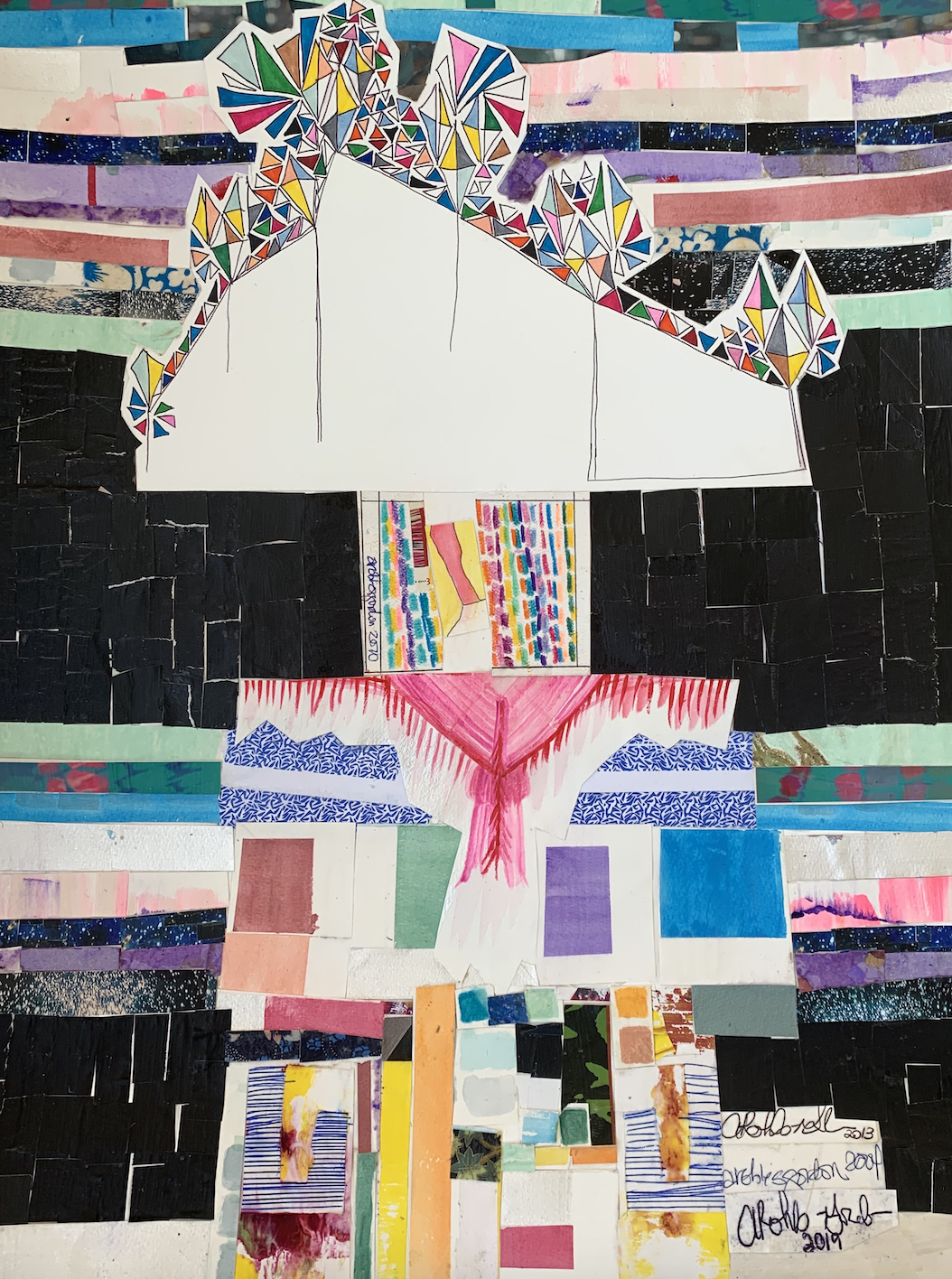
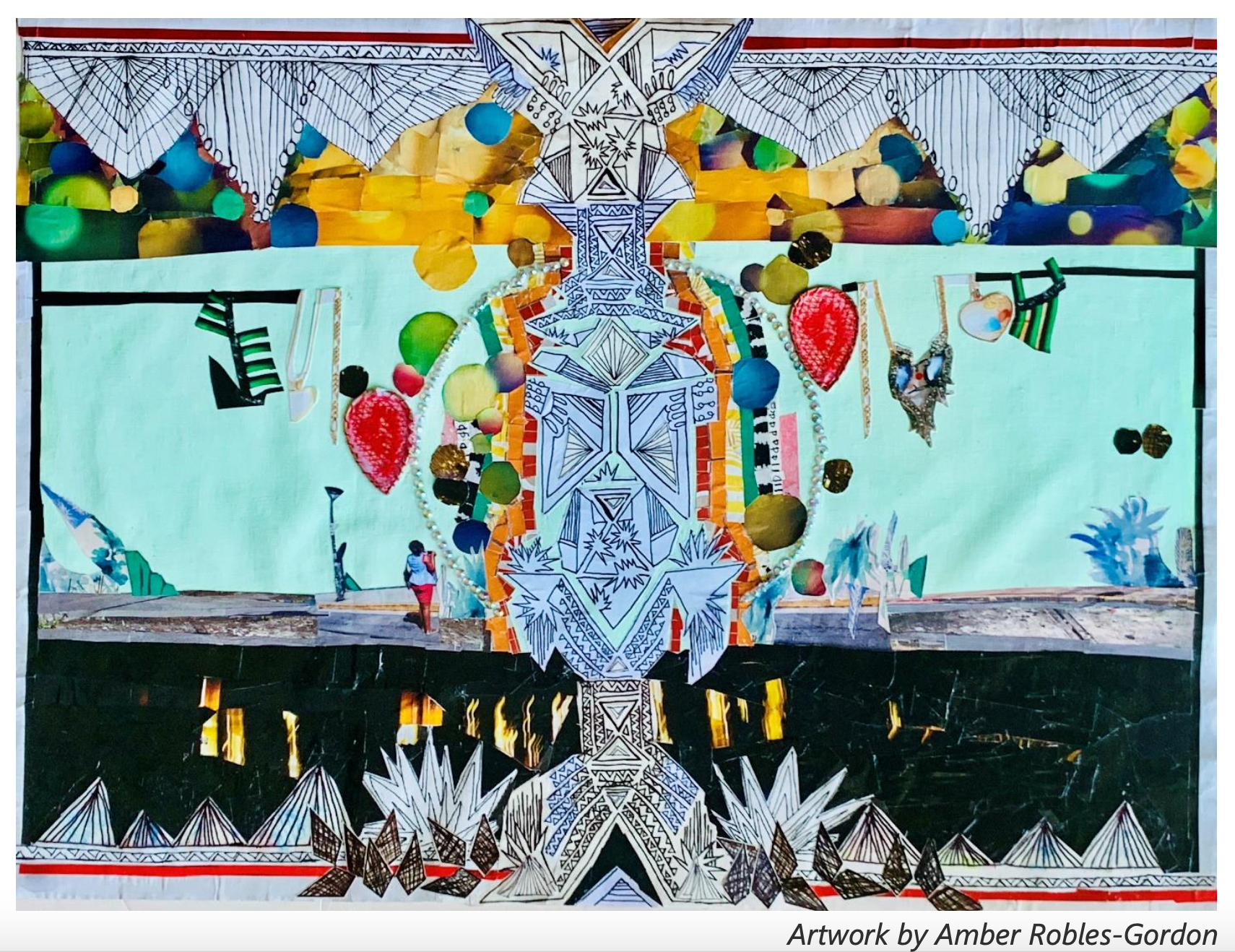
"The Temples of My Familiars" series is about the intersections between my identity, the diverse visual languages in my artwork and the narratives they reference. I chose the title because of the distinct visual reference my sculptural geometric-like renderings took on once I inverted them. They became temples, a place of spiritual practice and sacrifice in which I could place my familiars —my visual languages. A place where they could be re-rooted, re-formulated, and take on a new life.

From: Friends, To: Friends Nov 27 Part 2: On The Journey
in article
Next, I have a show at the American University in 2021 with Amber Robles Gordon, an Afro Puerto Rican artist based in DC. It will be a solo show of just abstract work, which is exciting for me, because I don't think I've done a solo presentation of just abstraction.
Read MoreVeoBo EN VIVO con la artista Amber Robles-Gordon
in Event

VeoBo EN VIVO con la artista Amber Robles-Gordon
Read More
Recent initiatives of our Galería de Arte at Universidad del Sagrado Corazón, The director of Galería de Arte, Norma Vila, interviewed Amber Robles Gordon, our visiting artist.
in article
Since its inception, the Galería’s mission has been to offer the university and general public a heterogeneous program that researches and documents current humanistic issues through Puerto Rican art. Beyond working the heterogeneous within the artistic manifestations, as an institution driven by its civic and academic mission, we have opted to provide space to projects and artists whose voices promote social justice issues. Intersectional topics such as gender, race, beliefs, values, and our diaspora are included in the Galería’s program and it becomes a teaching-learning laboratory for faculty and students. The Galería affords the opportunity to create interdisciplinary experiences and strengthen analytical and creative thinking.
But how to expose them to what happens outside the island? For this academic year, the Gallery decided to launch a visiting artist program and selected Washington, D.C.-based Afro-Puerto Rican artist Amber Robles Gordon. Having a visiting artist contributes to the training of students far beyond a class, it functions as an on-site journey, and strengthens ties with the community. Most importantly, visiting artists bolster our vision of lifelong education by challenging the “right answer” framework that limits the teaching and learning experiences.
At the beginning of the academic year, Robles-Gordon visited the island for the first time since she left Puerto Rico when she was very young. As our invited artist, she lodged at a residence adjacent to the campus, and gave a series of conferences to various groups of students. Her second visit to Sagrado was on November when gave a conference based on her work and artistic professional practice. She expounded on how she has broken with the stereotypes of Afro-Latin-American women and artists and how she uses her profession as support and defense of social justice.
Amber Robles Gordon is an artist known for recontextualizing non-traditional materials at different scales from two-dimensional artwork to her public works of art. Her intention is to emphasize the essentiality of spirituality and temporality within life. Robles is driven by the need to build her own distinctive path, innovate and challenge social norms, which is why her artwork is unconventional and unformulated. Her creations are representative of her personal experiences and the paradoxes within the imbalance of masculine and feminine energies in our society. Ultimately, she seeks to examine the parallels between how humanity perceives its greatest resources, men, and women, and how we treat our possessions and the environment.
From the experience of visiting the island, she created a body of artwork appropriately titled “A Place of Breath and Birth” which was to be exhibited in April 2020. However, this was cut short due to the COVID-19 pandemic. The solution to this problem was to present her work in a virtual fashion.
Having the opportunity to coordinate her two visits to our campus, exchange experiences, listen to her motivating lectures, and see in her recent artistic production, sparked in me the desire to interview her. I hope you can get to know more about Amber Robles Gordon through this conversation.
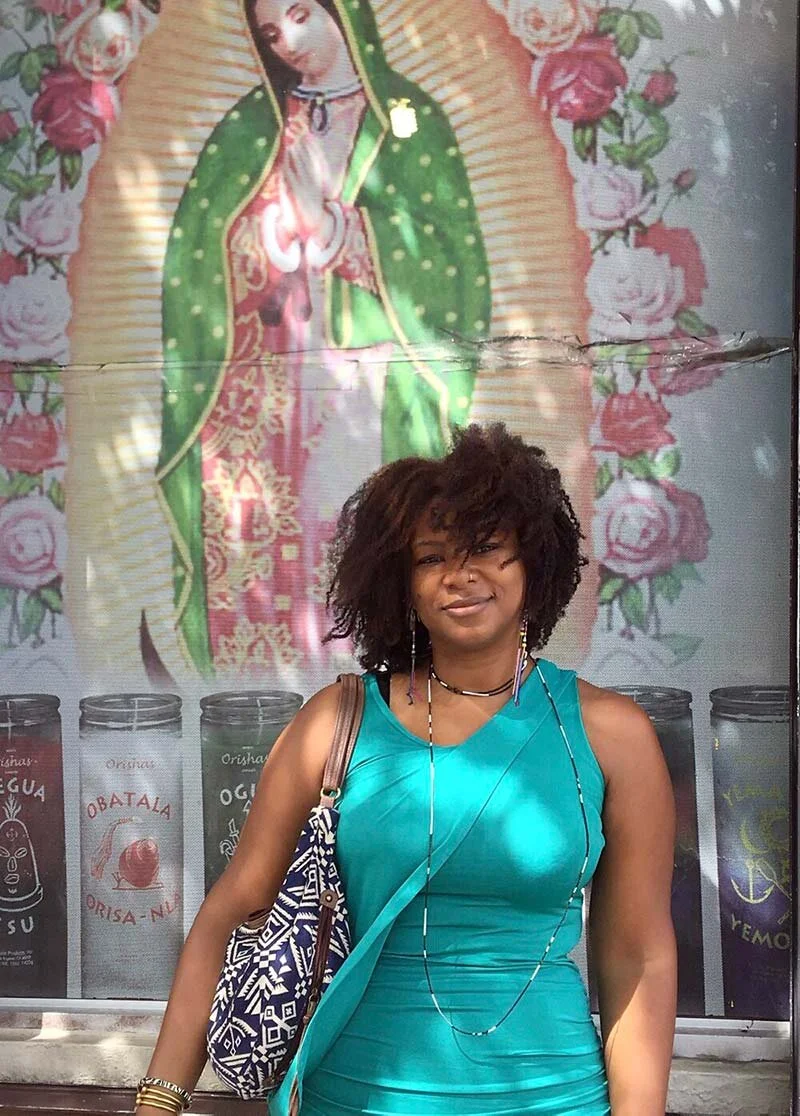
N: Place of Breath and Birth is the title of your recent production developed in Puerto Rico. Would you please elaborate on the significance of the name?
A: The title literally came from my desire to know more about where I was born and where my mother spent her childhood. Puerto Rico (PR) is both my place of birth and the place where I drew my first breath. At the time of my birth, most of my family – maternal and paternal – lived in St. Thomas, Virgin Islands. I spent the first two years of my life in St. Thomas and then moved with my mom and dad to Washington, DC. My mother—the primarily link to my birthplace—taught me Spanish and kindled my identification with ‘La Isla”. During my 2019, trip, I began my search for family members who still resided in PR. I felt that this search would cultivate a deeper relationship with Puerto Rico.
After my two visits to Puerto Rico in late 2019, I decided in early 2020 to rent an apartment in Puerto Nuevo to start producing the series “A Place of Breath and Birth.” Due to the persistent earthquakes, and the risk that they represent for the Sacred community, my exhibition was postponed, later with the start of the COVID-19 pandemic, everything worldwide changed and I had to return to Washington D.C. New works produced under the title A Place of Encouragement and Birth were moved to an online platform.
This would be my first opportunity to exhibit in the Caribbean and deepen my relationship with my birthplace, Puerto Rico, “La Isla del Encanto”. That is why I have titled the exhibition, Place of Breath and Birth. This was my original statement as an artist that gave rise to this series and it is still burning and guiding my discovery daily. The intention of the proposal for an individual exhibition at P.R. was to empower my five-year-old self. To give her the strength to fight for herself, her language and culture. I was born in San Juan, Puerto Rico and raised in Arlington, Virginia. My first language was Spanish, yet at about five years old, I came home one day and told my mother: “I was not speaking Spanish anymore”. From then on, I responded to my Spanish/English speaking mother in English only. Later, I came to understand that I had surrendered my Spanish tongue—a critical part of my cultural identity— so that I could “fit” a version of myself that could possibly coincide with the prescribed box that others had for a brown-skinned girl such as myself. Although in time, the name calling ceased, however, the micro-aggressions, insensitive questions, assumptions, and judgments about my brownness lingered. Throughout this life, time-after-time, I have had to choose to identify with my brownness/blackness over the other cultural ties that bind other Spanish speaking people with their culture.
Although, my personal narrative is the main focus of these works of art, I will continue to contextualize it within the political, socioeconomic, and environmental threads that define and are often used to control, alienate, or mistreat Puerto Ricans in general and Afro-Puerto Ricans. in particular. Also, my artwork is about the intersections of femininity, patriarchy, hybridism, and Americanism. Ultimately, I hope this narrative and this work of art will give voice to others who walk in shades of brown, who breathe within a feminine form and who do not conform to the rules… but are bold and proud.
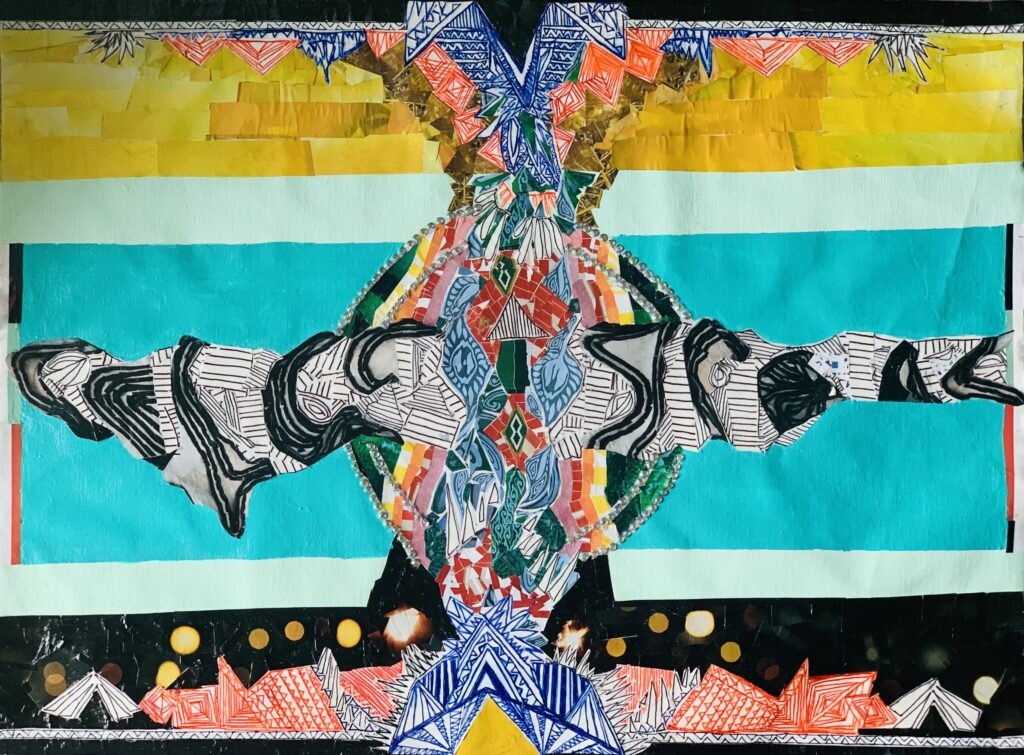
Elemental: Tierra, Aire, Agua, Fuego, 18 x 24, 2020
N: That visit in September 2019 was your first visit to Puerto Rico. How was that first encounter?
A: Technically, my two-week trip to PR in September 2019, was my first trip there as an adult. My mother told me that I have been to PR as a young child. However, I truly had no memory of those visits. During the first trip, accompanied by my mother, we realized this was the first time we traveled alone together. I had my mother all to myself! She is an amazing human being: She is always working, helping family, friends and organizations and causes that concern her. She is always DOING something. Thus, being able to spend time with her exploring the Sagrado Corazon’s campus, local art museums and galleries, El Yunque National Rain Forest, and other places imprinted on my mother’s childhood were immeasurable. Moreover, I meet my boyfriend during this trip. So I have many good reasons to celebrate having been able to visit the island.
N: As our visiting artist you offered a presentation to 3 groups of the Art Program of the University. For those who weren’t there, would you elaborate on how you integrate your origins and beliefs with the use of various materials and vibrant colors?
A: I believe following one’s authentic internal voice is an essential part of integrating ones’ origins and beliefs and projecting this awareness into the use of whatever medium and or methods you choose to create with or live by. Creating art, is an essential method of self-joy and self-expression, and a means for sharing my concerns and connecting to a higher power.
I have known, I would be at artist since I was eight years old. Beyond being loved and cherished by my mother and father as a child; the other activities that triggered an innate and immediate positive response, was being encouraged and praised for my creativity. I recall the feeling of pride when my first or second-grade art teacher praised my artistry or being allowed to hang my artwork in the lobby of our apartment building—the Brittany, Arlington, VA—as a teenager. My life experiences have been intricately connected to my love of art and creating.
I was also encouraged to defend or advocate for the rights and appropriate treatment of myself and others. I have vivid memories, of getting in trouble, especially in school, for the right to speak my mind and claim my agency over my body and voice. I objected to middle school boys who slapped the derriere’s or snapped the bras of the girls they “liked”. I recollect the sting of the slap and my disappointment, as the school’s vice-principal referred to these personal infringements, as love-taps. I remember the anger welling up inside me, from being chastised and or punished for yelling at or chasing the perpetrator. It was clear that the boys were not held to the same standards of behavior as the girls. These and other experiences throughout my childhood unveiled deep-seated gender variances and stirred a desire to explore the underpinnings of gender inequality, which is embedded throughout my artwork.
During my graduate experience at Howard University, I was exposed to different philosophers and their views. In fact, the renowned debate between Black philosophers, Alain LeRoy Locke, and W.E.B. Du Bois regarding art as a form of individualistic and aesthetic expression, or art as propaganda to contribute to racial advancement and group expression was particularly meaningful for me. This debate further reinforced the importance and privilege of my own creativity and creative process. Using my art to give voice to others and further define my agency as women of color became even more fundamental.
N: How did visiting and living for a short time in Puerto Rico influence your work? How does this series titled A Place of Breath and Birth differ from your previous artwork?
A: I have wanted to create work about PR for most of my adult life. Growing up in the states away from most of my family and Caribbean life has fostered a longing for a pilgrimage to Puerto Rico, Antigua, Tortola, BVI, and eventually trace my roots to Africa. I initiated this process in September 2016, by reaching out to Edwin Velazquez Collazo, founder/writer of the art-blog, Puerto Rico Art News, and shared my art portfolio and my desire to exhibit in PR. Since then, we checked in periodically, and in late 2018, Edwin identified an opportunity and put me in contact with you Norma Vila, (director of the Gallery) of the Galeria de Arte in Universidad del Sagrado de Corazón.
After visiting in September and November 2019, I decided to return to the island in early 2020 to live temporarily. Being in PR allowed me to focus on cultivating a specific atmosphere and environment to create and live within. I choose a third-floor apartment with two bedrooms and a sunroom and awarded myself the largest and brightest room —the sunroom— as my studio. It has four large windows and exposure to three-dimensional light every hour of the day. We filled the studio with about thirty-eight variations of plants, a futon, a printer, a storage shelf, and of course my artwork. While sitting on my futon I could watch the palm trees bend and dance to the shifts and variances of the changing weather. The standing view revealed both my immediate block life, vibrancy, greenery, music, and the loud barking little dogs below. Because I can see above all the other two-story buildings, I have an expanded vista, about 3-5 miles out, I can see the outdoor portion of the Tren Urbano, PR’s transit system. Then, about 15-20 miles away, I can see the outer fringe of city-life with looming lights and high rises.
These variances of space, environments, and time influenced this body of artwork by effecting my interpretation of and relationship to spatiality. In these pieces, I convey both my internal feelings and external environment by the layer of materials so that they create divisions depicting various planes of existence throughout these compositions. This formula allowed me to manifest multiple representations of atmospheric ecosystems. My time in PR provided the environment and time, to focus on expanding my perspective of and a sense of ownership of self, of land, culture, and of elements through the landscape. In this context, my commitment to sketch at least every other day, yielded sketches, primarily a combination of line drawings and geometric shapes, which lead to sacred geometry like renderings and some figuration. Later, these sketches from integral parts of the overall design of the entire series.
N: Sometimes as artists we devise a platform and strategies that later require adapting the idea to the circumstances. This project has not been unrelated to circumstances beyond our control (earthquakes, power outages, COVID-19). Do you consider that these circumstances have had an impact on the development of your work, be it emotional, mental, or cultural?
A: I have had to be malleable in my behavior and expectations regarding this exhibition and about the circumstances that impacted this endeavor. However, my level of commitment to the process and the incremental revelations that surfaced during my time in PR were so defining and nourishing, I had no choice but to move forward.
N: Referring to the title of your project A Place of Breath and Birth. Do you still think Puerto Rico is a place of breath? And, if so, in what sense?
Puerto Rico will always be my Place of Breath and Birth, and I welcome opportunities to continue to learn about, build community and experiences to further know that part of myself and heritage.
I also become aware that, I am imprinted by my mom’s memories of her childhood home. During my visit, I witnessed the change in accent and the increased level of attachment and comfort she felt in PR. Apparently, this was also observed by you, Norma (director of the Gallery), I remember you mentioned that she sounded more Puerto Rican every day on the island. I think I also witnessed the charm of the island through the way my mother felt – how she cooked, danced, and delighted in her Afro-Latinity; all the things that have influenced my sense of identity.
COVID-19 Times
N: How was your studio practice interrupted by the lockdown? How has your work changed because of the lockdown?
A: Yes, there was an interesting continuum of things in life that impacted my production in the studio, in my life, and even in the planning of this project during these first months of 2020. I used the first phase of my residency on the island to locate my house and my studio in Puerto Rico, which took longer than expected due to the tremors. Once I was located in my apartment, I began the second phase; exploring, photographing, and searching for resources to incorporate into the art. Then, the lockdown happened, and another level of limitations ensued.
In Puerto Rico, the quarantine was extremely strict. Most businesses were required to shut down. Only, the local government, supermarkets, some restaurants (mostly fast food establishments), and pharmacies could remain open. I could no longer go to the art supplies store when I needed supplies. Yet, I still had deadlines to meet for upcoming exhibitions and or projects. I had to conform myself to using whatever was already in my possession to create this body of artwork.
N: What are you working on right now?
A: Right now, I am working on artwork for my solo exhibition, Secession, at Katzen Center, in the American University in September 2020. The Place of Breath and Birth series will also be a part of that exhibit. This exhibit will also include the other set of artworks, 8-10 quilts, I worked on while in PR.
N: What are you reading, both online and off?
A: I am not an avid book reader. More often, I listen to audiobooks and or listen to informational videos. I also spend a lot of time reading online articles about art in general from a select number of online art publications: https://hyperallergic.com, https://bmoreart.com and https://www.artsy.net. Daily, I read numerous online articles and posts about current issues, such as politics and social justice issues and happenings.
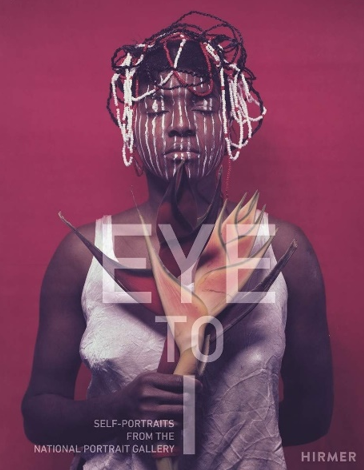
N: Have you visited any good virtual exhibitions recently?
A: I was drawn in by the work of María Magdalena Campos-Pons, Untitled, from the series When I am not Here, Estoy allá, 1996. The exhibit also features artwork by James A. Porter and Carmen Lomas Garza. Eye to I: Self Portraits from the National Portrait Gallery, at the Boca Raton Museum of Art. With the term “self-conscious” as its starting point, the exhibition Eye to I is a cherry-picking of self-portraits by major artists in the Smithsonian’s National Portrait Gallery.
With the term “self-conscious” as its starting point, the exhibition Eye to I is a cherry-picking of self-portraits by major artists in the Smithsonian’s National Portrait Gallery. With a wide range of depictions spanning over a century, this thoughtful presentation straddles themes from cultural identity to body positivity. Catch up with it in this six-minute video tour.
N: Have you taken up any new hobbies?
A: Honestly, although I am now back in DC and I have not had the time to start a new hobby yet. Most of my time is divided into creating artwork, administrative tasks, cooking, grocery shopping, exercising, and spending time with my family and loved ones.
N: What is the first place you want to travel to once this is over?
A: Huh, that is a good question. Since 2015, I have traveled to Thailand, Italy, Miami, Morocco, and Puerto Rico. So, although I absolutely welcome the opportunity to travel again, I do not have a specific place in mind as of right now. Future plans include continuing my familial pilgrimage, by spending more time in Puerto Rico, visiting Tortola, and then tracing my African roots.
N: If you are feeling stuck while self-isolating, what is your best method for getting unstuck?
A: I am fortunate that my self-isolation has included my boyfriend and my mother, brother, and niece who live a few blocks away. So, when I am feeling stuck or frustrated, we go for a walk, visit family, plant some plants, or simply watch a good Science Fiction movie.

N: What was the last TV show, movie, or YouTube video you watched?
A: Right now, we are watching the Star Trek Discovery series. In mid-May we gathered at my mom’s house on a Sunday evening and made a YouTube collection of the songs she would play (vinyl long-playing 45s records) on either Saturday or Sunday mornings before we did our chores. This collection included songs from when we were between 5 to 17 years of age. Among them are: “I love Trash”, “ I left my Cookies at the Disco” by the Sesame Street crew; three of Tracy Chapman’s 1988 chartbusters: Fast Car and Talkin’ Bout a Revolution, and Mountains o’ Things. On the Latin side we focused on Juan Luis Guerra y 440’s Ojalá que llueva Café, Bachata Rosa, and Burbujas De Amor; and Puerto Rican Yomo Torro’s “Don’t Bury my Clothes”.
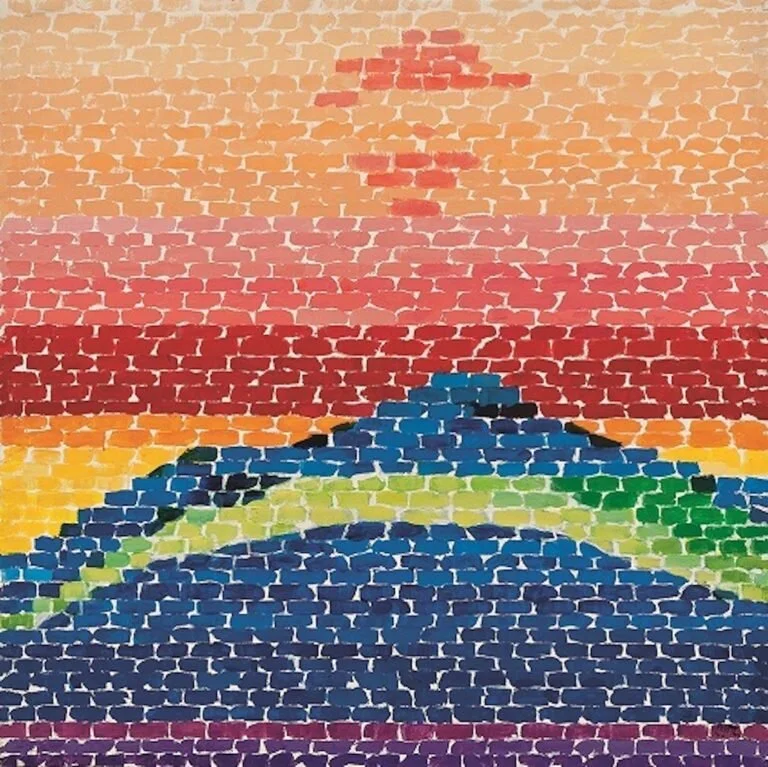
Alma Thomas’ Apollo 12 “Splash Down,” 1970
N: If you could have one famous work of art with you, what would it be?
A: I would love to live with Alma Thomas’ Apollo 12 “Splash Down,” 1970. I was eight years old when I first saw Alma Thomas work. My mom, then a student at Georgetown University, was taken a course on African American Art, which included a project to see Thomas’ work exhibited at Howard University. My mom says I stood in front of her work—my eyes huge while holding my breath—mesmerized by her work.
N: What are you most looking forward to doing once social distancing has been lifted?
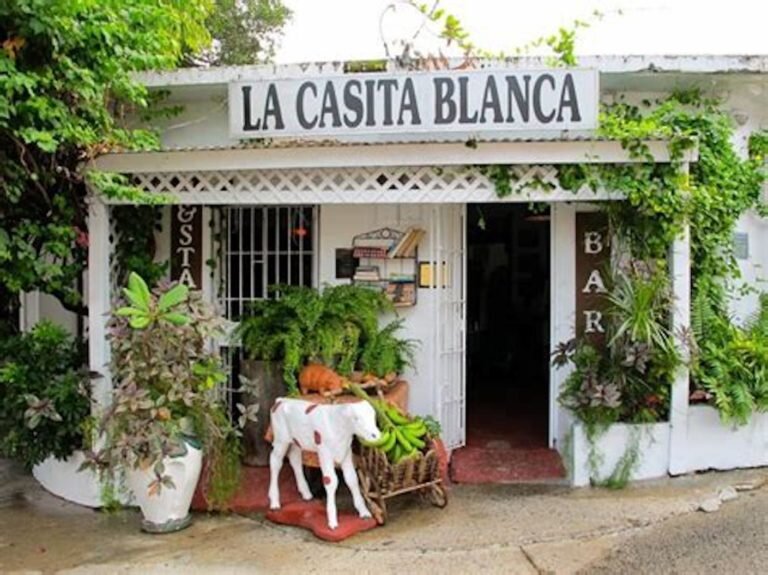
A: Recently, I have been craving tuna salad sandwiches from El Meson or the “Tres Leches” dessert at La Casita Blanca, local bastions of Puerto Rico’s Cocina Criolla (traditional Puerto Rican cuisine). Also, I hope that I can attend my opening at American University in fall, 2020.
Galería de Arte de la Universidad del Sagrado Corazón, Presents Place of Breath and Birth, Virtual Exhibition of Amber Robles-Gordon
in article
At Sagrado, the well-being of our community comes first. We continue to monitor the development of events related to the worldwide spread of the coronavirus (COVID-19). As a precautionary measure, Sagrado is implementing the practice of social distancing. Therefore, the Art Gallery will remain closed until further notice. Over the years, we have created a community that comes together to appreciate different aesthetic experiences. We want to continue this without putting our visitors at risk. Therefore, we are making this experience available online. Among the new offerings, we share the work of Amber Robles Gordon, who was our visiting artist during the fall semester and, from that experience, has created new works under the title "Place of Breath and Birth".

Amber Robles-Gordon is a mixed media visual artist. Known for recontextualizing non-traditional materials, their assemblies, large sculptures, installations, and public works of art, to emphasize the essentiality of spirituality and temporality within life. Driven by the need to build her own distinctive path, innovate, and challenge social norms, her artwork is unconventional and unformulated. Their creations are representative of their personal experiences and the paradoxes within the imbalance of male and female energies with our society. Ultimately, the intention is to examine the parallels between how humanity perceives its greatest resources, men, and women versus how we treat our possessions and the environment.
I was chosen to be an academic visiting artist from the Art Gallery, Universidad Sagrado Corazón, Santurce, Puerto Rico, (PR) this year. This opportunity meant that at the end of the academic year (April 2020) I was going to exhibit the works created from my experience while visiting Puerto Rico. Due to persistent earthquakes, and the risk they pose to the Sacred community, my exhibition was postponed, later with the onset of the COVID-19 pandemic, new works produced under the title A Place of Encouragement and Birth moved to a platform online.
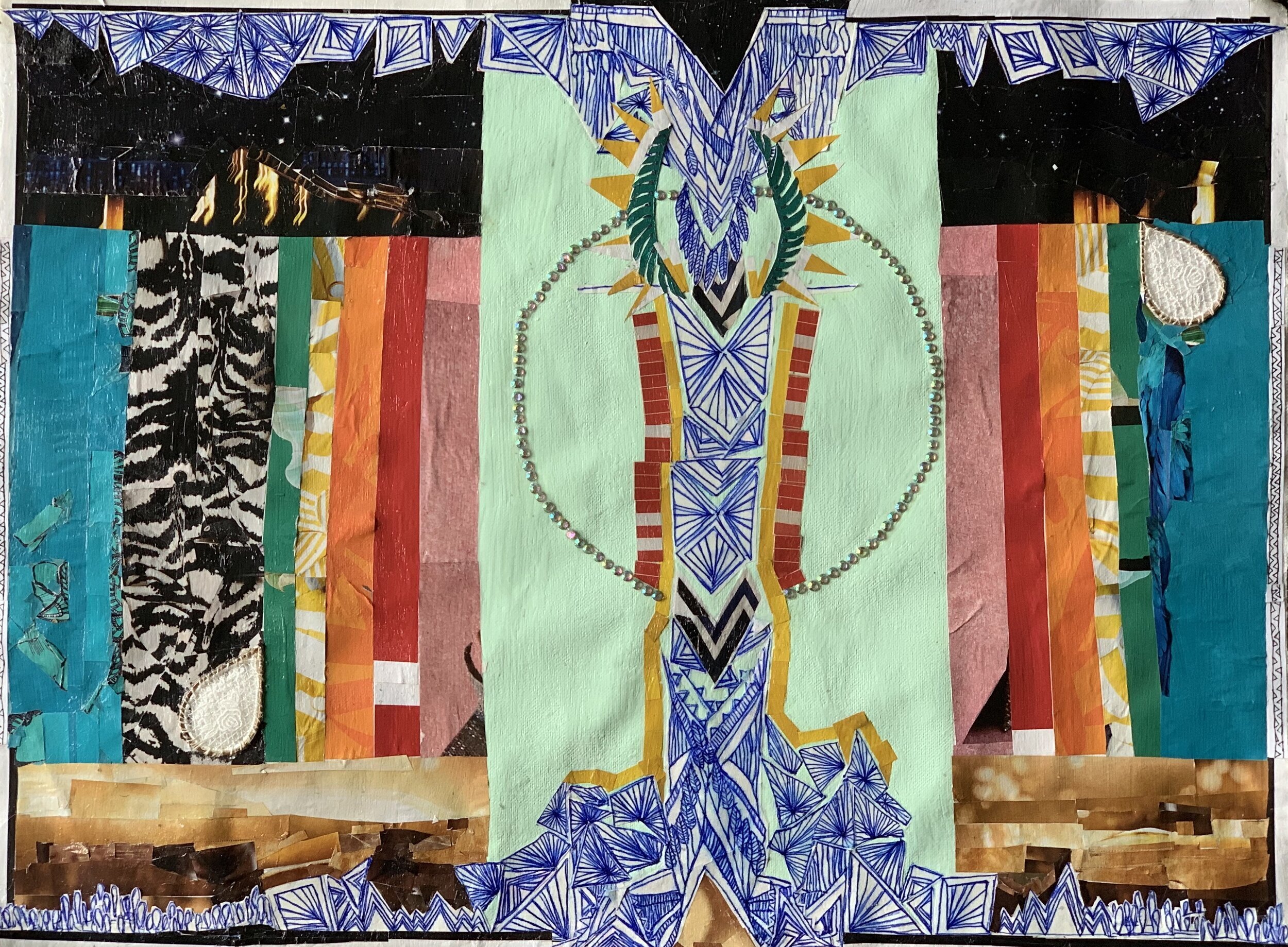
Isla del Encanto, 18 x 24, 2020
This would be my first opportunity to exhibit in the Caribbean and deepen my relationship with my birthplace, Puerto Rico, Isla del Encanto (the enchanted island). Therefore, I have titled the exhibition, Place of Breath and Birth. The intention of this exhibition is to empower my five-year-old self. To give her the strength to fight for herself and her language. I was born in San Juan, Puerto Rico, and grew up in Arlington, Virginia. My first language was Spanish, but when I was five years old I came home one day from school, and I told my mother: I no longer spoke Spanish. Thereafter, I only responded to my mother who speaks Spanish / English in English.
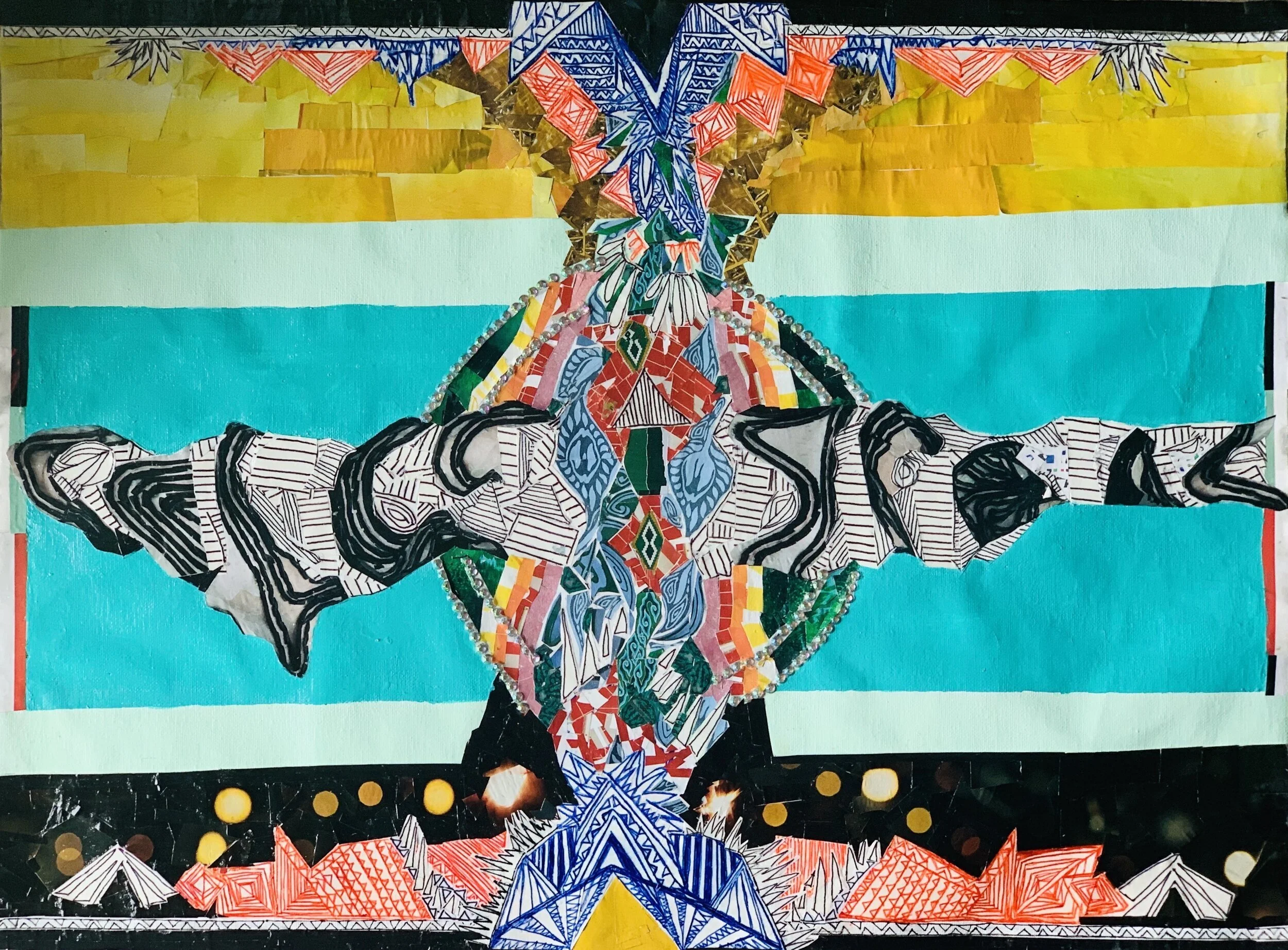
Elemental: Tierra, Aire, Agua, Fuego, 18 x 24, 2020
Later, I came to understand that I gave up my Spanish language, a critical part of my cultural identity, in order to "adapt" to a version of myself that could possibly match the prescribed box that others had for a brown-skinned girl like me. At the time, we lived on the US mainland, and we lived in an area where there were few people who looked like me and spoke Spanish. Although over time, the insults stopped; Micro-assaults, callous questions, assumptions, and judgments persisted. Throughout this life, time and time again, I have had to choose to identify with my brown /black color over the other cultural ties that unite other Spanish speakers with their culture.
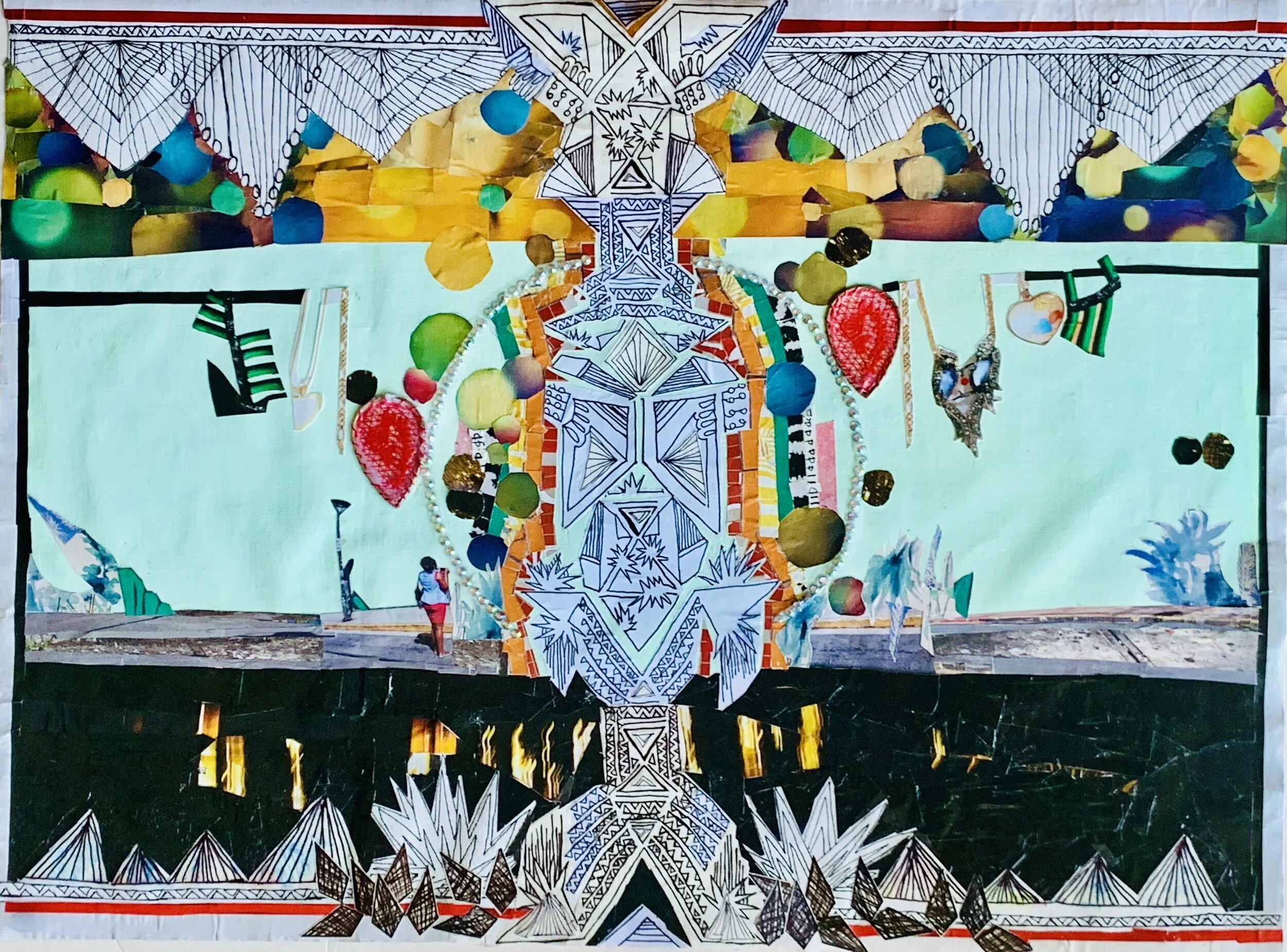
Tendedero, Comunidad y Energía Eterna, 18 x 24, 202
Aunque, mi narrativa personal será el foco principal de estas obras de arte; Continuaré contextualizando la obra de arte dentro de los hilos políticos, socioeconómicos y ambientales que definen y a menudo se utilizan para controlar, alienar o maltratar a los puertorriqueños en general y a los afro-puertorriqueños en particular. Además, mi obra de arte trata sobre las intersecciones de la feminidad, el patriarcado, el hibridismo y el americanismo. En última instancia, espero que esta narrativa y esta obra de arte den voz a otros que caminan en tonos marrones, que respiran dentro de una forma femenina y que no se ajustan a las normas ... pero son audaces y orgullosos.
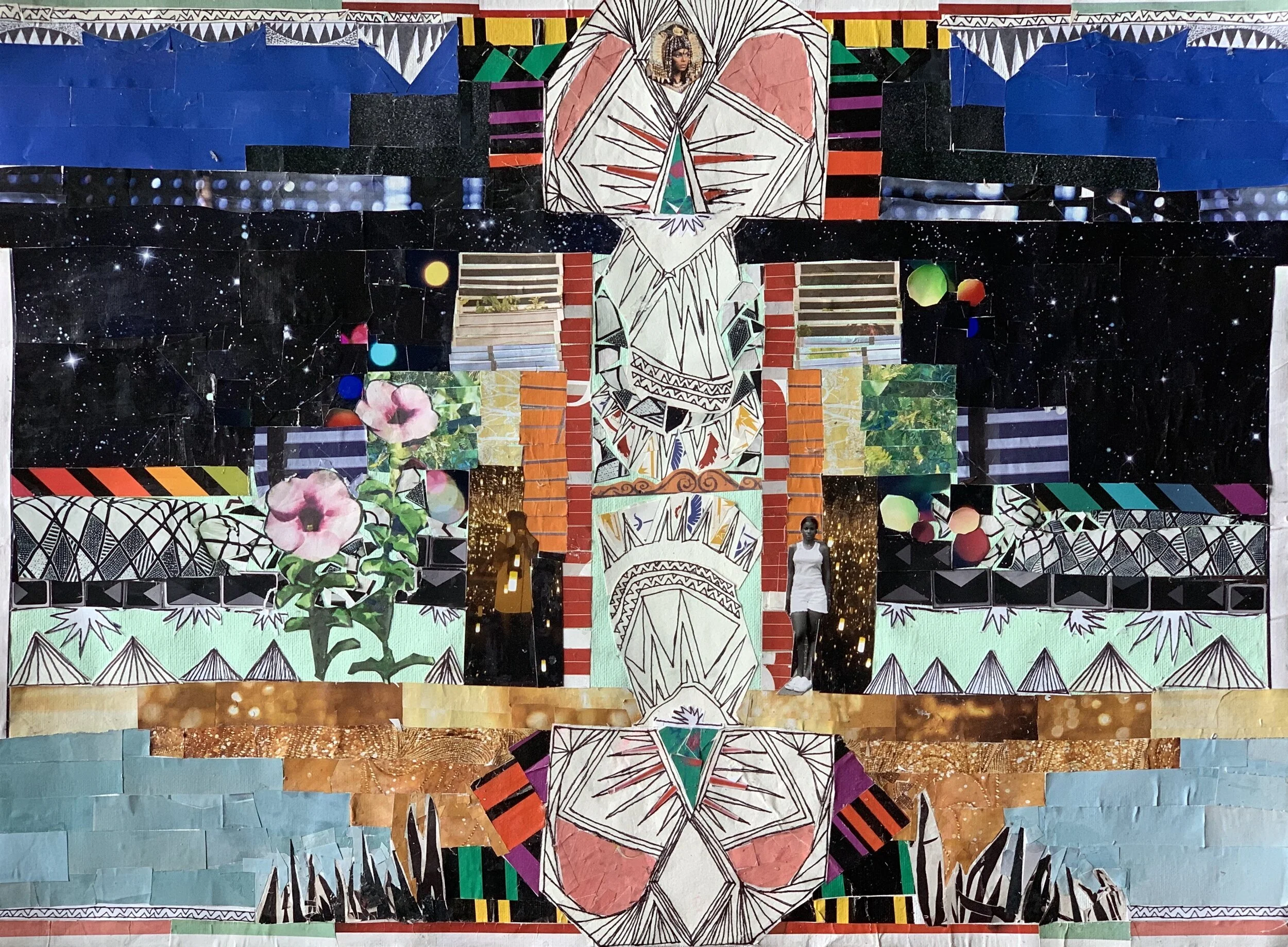
Botánica del Amor, Autorreflexión y Espiritualidad, 18 x 24, 2020
Artist Lecture: Amber Robles-Gordon
in Event
Hosted by American University Studio Art Department
Artist Website: https://www.amberroblesgordon.com/
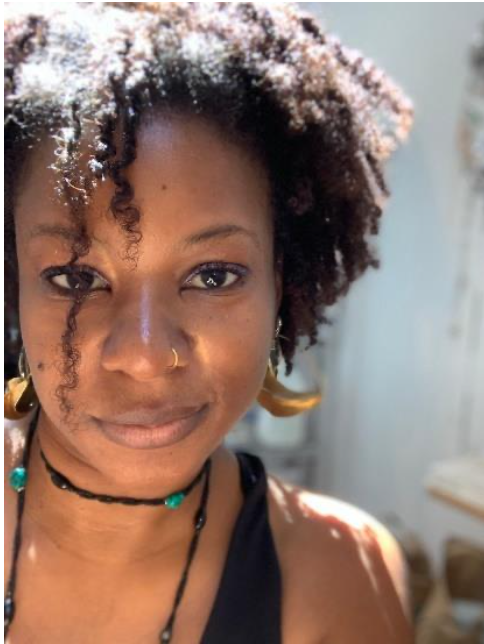
Amber Robles-Gordon, MFA, is a mixed media visual artist, of Puerto Rican and West Indian heritage. Known for recontextualizing non-traditional materials, her assemblages, large sculptures, installations, and public artwork emphasize the essentialness of spirituality and temporality within life. Driven by the need to construct her own finite path, innovate and challenge social norms, her artwork is unconventional and non- formulaic. Ultimately her creations are representational of her personal experiences and the paradoxes within the imbalance of masculine and feminine energies within our society.
Robles-Gordon has over fifteen years of exhibiting, art education, and exhibition coordinating experience. She
received a Bachelor of Science, Business Administration in 2005 at Trinity University, and subsequently a Master’s in Fine Arts (Painting) in 2011 from Howard University, Washington, DC. At Howard University she received annual awards and accolades for her artwork.
She has exhibited nationally and in Germany, Italy, Malaysia, London, and Spain. Robles- Gordon is proficient in American Sign-Language and has traveled throughout the US, Latin America, the Caribbean, Europe, Northern Africa, and Southeast Asia. Her exhibitions and artwork have been reviewed and/or featured in the Washington Post, Washington City Paper, Washington Informer, Examiner, WAMU American University Radio, WPFW 89.3, MSNBC the grio, Hyperallergeric, Ebony.com, Houston Chronicle, Miami Herald, Huffington Post, Bmore Art Magazine, Callaloo Art & Culture in the African Diaspora and Sugarcane Magazine, Support Black Art and other various publications.
Robles-Gordon was also commissioned to create temporary and permanent public art installations for numerous art fairs and agencies such as the DC Commission on the Arts and Humanities, DCCAH, Northern Virginia Fine Arts Association (NVFAA), Humanities Council of Washington, D.C., Howard University, James C. Porter Colloquium, Schomburg Center for Research in Black Culture, the Washington Projects for the Arts, Salisbury University, Martha’s Table, DC Department of General Services and Democracy Fund. Additionally, she
has been commissioned and or featured to teach workshops, give commentary, and or present about her artwork by the Smithsonian Anacostia Museum, Luther College, WETA Television, Al Jazeera, WPFW 89.3fm, WAMU | American University Radio, The Kojo Nnamdi Show, Howard University James A. Porter Colloquium, David C. Driskell Center, the Phillips Collection, the African American Museum in Philadelphia, Mc Daniel College, Salisbury University, Harvey B. Gantt Center, Phillips Collection, American University, and National Museum of African American History and Culture.
Throughout her career, she serves as an advocate for the Washington, DC area arts community. From November 2004 through July 2012, Robles-Gordon has been an active member of the Black Artists DC, (BADC) serving as exhibitions coordinator, Vice President, and President. BADC, a 20-year old member organization of individual of Black-Afrikan ancestry, includes artists, arts administrators, educators, dealers, collectors, museum directors, curators, gallery owners, and arts enthusiasts. Robles-Gordon is also the Co- Founder of Delusions of Grandeur Artist Collective.
In 2010, Robles-Gordon was granted apprenticeship to create a public art installation with the DC Commission on the Arts and Humanities, D.C. Creates Public Arts Program. In 2012, Robles-Gordon was selected to present for the Under the Influence competition as part of
the 30 Americans Exhibition at the Corcoran Gallery of Art.
In 2016, Robles-Gordon was selected for a teaching residency by the Centro Cultural Costarricense-Norteamericano, Back to the Roots, in Limon, Costa Rica. In 2017, she was awarded an additional teaching residency with Washington Projects for the Arts and DC Public Schools. In 2018, Robles-Gordon spent two weeks in Thailand studying and photographing Thai art and culture. In January 2019, Robles-Gordon completed a two- week Artist/Scholar residency at the American Academy, Rome, AAR, Italy. At the end of this residency, Robes-Gordon was granted the opportunity to exhibit her completed work at AAR.
Further, in July 2019, she completed a two-month artist-in-residence and temporary public art commission, titled Fertile Grounds: Of Minds, Wombs, and of the Earth, at the Nicholson Project, artist residency program. In fall 2019, Robles-Gordon was commissioned by DC Department of General Services, for a public artwork at the Ida B. Wells Middle School, DC Public Schools. In Summer 2020, Robles-Gordon will be featured in the first online solo exhibition, Place of Breath and Birth, at Galleria de Arte, Universidad del Sagrado Corazón, (Sacred Heart University), in her birthplace of San Juan, Puerto Rico, (PR). This will be followed by a fall 2020, solo exhibition, Secession, at American University, Katzen Art Center.
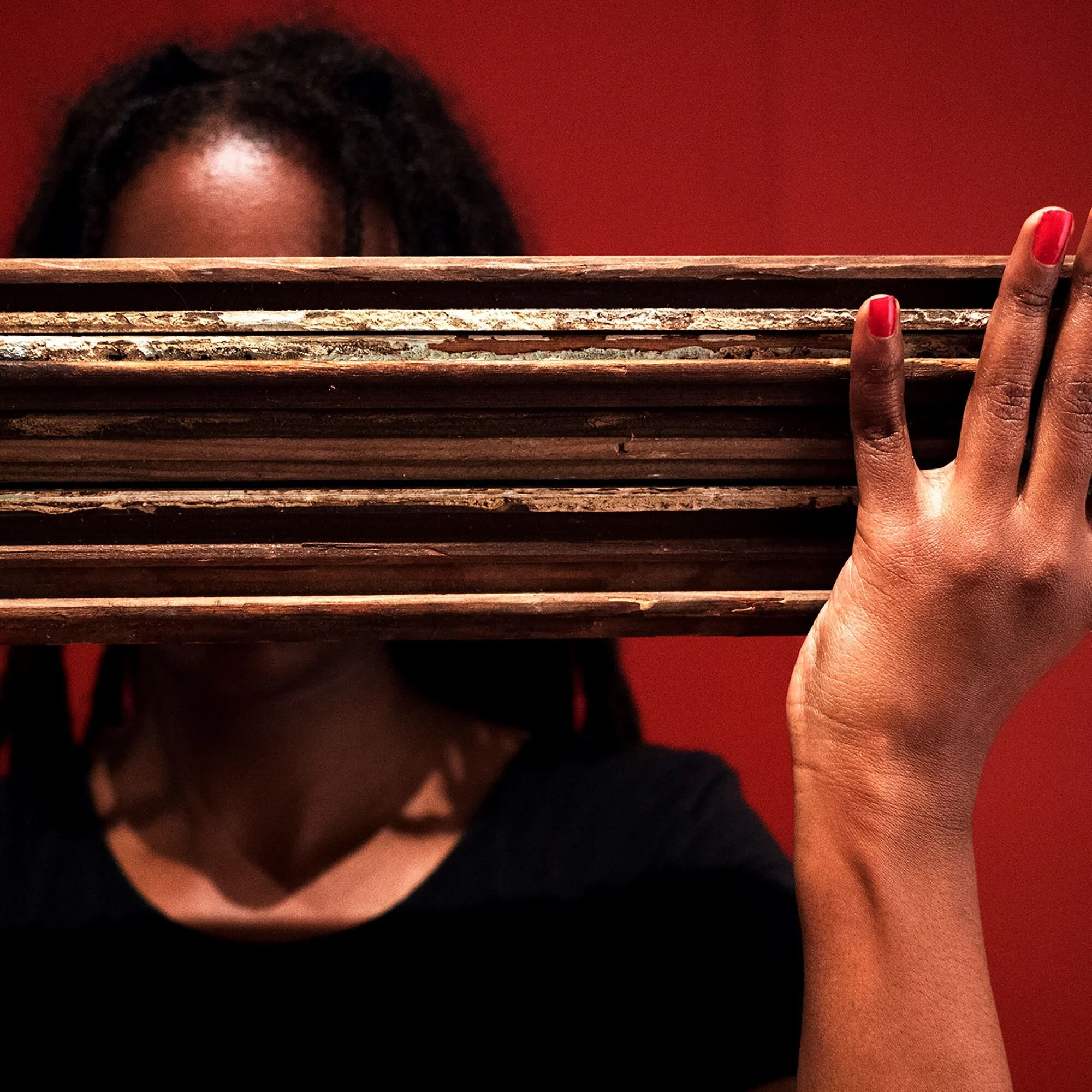
COLD HANDS, WARM HEART: MYTHS OF BLACK WOMANHOOD BY DEIRDRE DARDEN
in article
Curator Deirdre Darden has assembled a thoughtful and poignant group exhibition featuring artists: Asha Elana Casey, Amber Robles Gordon, Helina Metaferia, and Tsedaye Makonnen.

Amber Robles-Gordon’s Colorful Abstraction of Medical and Environmental Trauma at the Nicholson Project
in review
In DC, neighborhoods are facing an unprecedented amount of change in appearance, racial makeup, and social policies that runs counter to the once-prevalent idea of DC being “Chocolate City.” However, there are ways to balance change with paying respects to DC’s living history. The Nicholson Project, an artist residency that recently opened in Ward 7, hopes to demonstrate this change effectively with the inaugural resident artist Amber Robles-Gordon, who lives only eight minutes from the building. For me, it feels like a house turned into a relic, with its period-accurate rehab details; however, the Nicholson Project owners do not focus on the actual former owners, but highlight contemporary artists of color instead.
Read More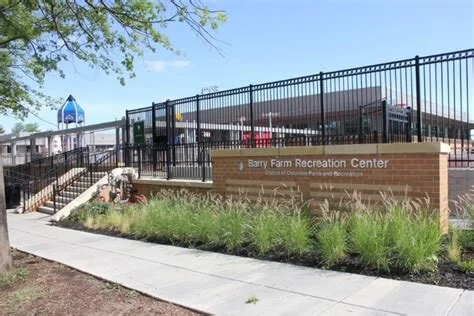
Barry Farm Recreation Center Showcases Work from East of the River Artists
in review
The mission of the DC Department of Government Services (DGS), according to the agency’s website, is “to build, maintain and sustain the District of Columbia’s real estate portfolio, which includes more than 191 million square feet of state-of-the-art facilities in Washington, DC.” The website says further, “This work allows the agency to foster economic viability, environmental stewardship and equity across all eight wards.”
DC residents may not know that the agency spends approximately one percent of its building budget on public art. Murals, sculptures and other public art seen at DC-owned properties such as libraries, schools and parks derive funding from this source.
Read More
Fiber Talks: A Conversation with Bisa Butler, Stephen Towns & Basil Kincaid - Moderated by Amber Robles-Gordon
in Event
PrintbyPrint Group with sponsorship from ELNYA and Ode to Babel present
‘Fiber Talks: A Conversation with Bisa Butler, Stephen Towns, and Basil Kincaid’.
Moderated by Amber Robles-Gordon.
Bisa Butler, an artist and art teacher in New Jersey works primarily with fiber and textiles. Her work has been a part of the nationally renowned traveling exhibitions by Dr. Carolyn Mazloomi; Textural Rhythms, Constructing the Jazz Traditions, Quilting African American Women's History and The Journey of Hope in America , quilts inspired by President Barack Obama. Bisa is represented by the Hearne Fine Art gallery of Little Rock, Arkansas, The Thelma Harris Gallery of Oakland, The Richard Beavers Gallery in Brooklyn, and The Claire Oliver Gallery in New York. She has artwork in private and public collections such as the Louis Armstrong House Museum, the Arkansas Art Museum, and the Kinsey Collection. She has exhibited in museums and galleries throughout the United States and internationally, most notably at the Nelson Mandela Gateway Museum at Robben Island, and at the Emperors Palace in Johannesburg, South Africa. Recently Bisa Butler had the honor of having her artwork displayed with The Kinsey Collection at the Smithsonian Museum of American History, and is currently exhibiting at Walt Disney World Epcot Center. While at Disney, Bisa taught workshops as a part of the Disney Dreamers Academy. Bisa was the featured artist for the annual Art in The Atrium gallery show in Morristown, New Jersey, and currently has artwork featured on the hit Netflix show, Luke Cage. This past spring Bisa exhibited art on the Tom Joyner annual cruise.
Amber Robles-Gordon, is a mixed media visual artist. She primarily works and is known for her use of found objects and textile to create assemblages, large-scale sculptures and installations. Her work is representational of her experiences and the paradoxes within the female experience. Robles-Gordon has over fifteen years of exhibiting, art education, and exhibition coordinating experience. Her work has been reviewed and/or featured in the Washington Post, Washington City Paper, Washington Informer, Examiner, WAMU American University Radio, WPFW 89.3, MSNBC the grio, Hyperallergeric, Ebony.com, the Miami Herald, Huffington Post, Bmore Art Magazine, and Callaloo Art & Culture in the African Diaspora. She has exhibited nationally and in Germany, Italy, Malaysia, London, and Spain. In 2010, Robles-Gordon was granted apprenticeship to create a public art installation with the DC Commission on the Arts and Humanities, D.C. Creates Public Arts Program. Robles-Gordon was also commissioned to create temporary and permanent public art installations for numerous art fairs and agencies such as the DC Commission on the Arts and Humanities, DCCAH, Northern Virginia Fine Arts Association (NVFAA), Humanities Council of Washington, D.C., Howard University, The Schomburg Center for Research in Black Culture and the Washington Projects for the Arts. Throughout her career, she serves as an advocate for the Washington, DC area arts community.
Mixed-Media Artist Stephen Towns currently based out of Baltimore, Maryland was born in Charleston, South Carolina. Towns primarily works in oil, acrylic, and fiber attributing much of his visual inspiration from medieval altarpieces, impressionist paintings and wax cloth prints. His work has been exhibited at Galerie Myrtis, Arlington Arts Center, Gallery CA, Platform Gallery, Hood College and is in the collection of the City of Charlestown, South Carolina. Most recently, Towns was honored as the inaugural recipient of the 2016 Municipal Art Society of Baltimore, Travel Prize and received the Greater Baltimore Cultural Alliance Rubys Artist Grant in 2015.
Basil Kincaid – “I am a Vessel, a Vivid Dreamer, and a World Builder. My work is guided by our connection to ancestral strength, insight, and imagination...I practice self-exploration, historical investigation, and critical social questioning to cultivate healing on a personal and cultural level, towards the remedy of Post Traumatic Slave Syndrome. Within my practice I seek to promote empathy, curiosity, critical thought, conversation, and inclusion...My goal is to co-create healing sites that stimulate the ancestral memory of love as freedom within us, activating space to participate in shared liberation on local and global scales. I create experiences, objects, and spaces for interpersonal and ancestral connection. I write, quilt, collage, make installations, photograph, perform, and invent games as avenues of questioning. My work is primarily comprised of culturally contextualized, found, or donated materials. I often collect materials from people through social media. This methodology explores the seeming immateriality and physical disconnection of online spaces while observing how waste is reflective of lived experience. I am currently most interested in the practice of Quilting as a way to collaborate with ancestral energy and as a method of empowerment. It is imperative that I nurture the evolution of my creative family traditions, honoring my predecessors while adapting the practice to address the questions and concerns of contemporary life...Quilting as a practice is saturated on both sides of my family dating back over 100 years. My immediate influence as a quilter is Eugenia Kincaid, my grandmother on my father's side. She appears to me in dreams, guiding my hands as we collaborate on every quilt that I make on a spiritual level. I strongly believe that Quilting opens a portal for me to exist with all of my ancestors that maintained the practice and potentially beyond. Upholding family traditions in the face of oppression is essential within my healing process. My stylistic approach is influenced by the innovations, practices, and cultural products of Black Americans, and West Africans. More specifically, I am interested in Black American folk and fine art, music, poetry, and family traditions.”
Eventbrite: https://fibertalkspanel.eventbrite.com
ABOUT EMERGING LEADERS OF NEW YORK
Emerging Leaders of New York Arts (ELNYA)
Emerging Leaders of New York Arts is a multidisciplinary arts network and professional development group for creative leaders in their 20s and 30s. Through innovative programing, open dialogue, and a collaborative community we redefine what it means to be an emerging arts leader in New York City. ELNYA builds communities by creating connections and spaces for art leaders from all backgrounds to feel welcomed, empowered, and inspired. ELNYA strives to be a catalyst for change by fostering an environment of exploration and innovation, and providing access to experiences.
ABOUT PRINTBYPRINT GROUP
PrintbyPrint Group (PbPG)
PrintbyPrint Group is a NYC-based curatorial Arts Education and Advocacy group that uses twenty first century mediums and digital tools to network with industry professionals; providing the public, emerging artists and students from underrepresented groups, with educational and unique events/experiences, workshops, and access to resources and The Arts. Through our partnerships with emerging artists, local businesses, public education institutions and private corporations/organizations, we are focused on providing engaging creative experiences to the general public and STEM to STEAM education opportunities to underserved children, teens, and young adults.
ABOUT ODE TO BABEL
Ode to Babel
Ode to Babel is a cool low-key chill cocktail bar and lounge in crown heights Brooklyn that provides an authentic atmosphere as an extension of home- a place to sip, enjoy the vibe, and nosh on small bites. Ode to Babel also provides a platform for local and/or independent creatives to showcase their art- whether in the form of film, music, mixed media, and performance.

The Nicholson Project's plans include a neighborhood garden as well as an artist-in-residence. (Photo courtesy of Nicholson Project)
New artist residency in Ward 7 opens Saturday
in article
Just a few blocks east of the Anacostia River, an unsuspecting row house in Ward 7’s Fairlawn neighborhood is being transformed. On Saturday, the Nicholson Project, a new artist residency program, will host an exhibition and celebration in the house at 2310 Nicholson St. SE from 3 to 8 p.m. The event will mark the launch of a space that will soon be home to a revolving artist-in-residence, who will live and work there.
Read More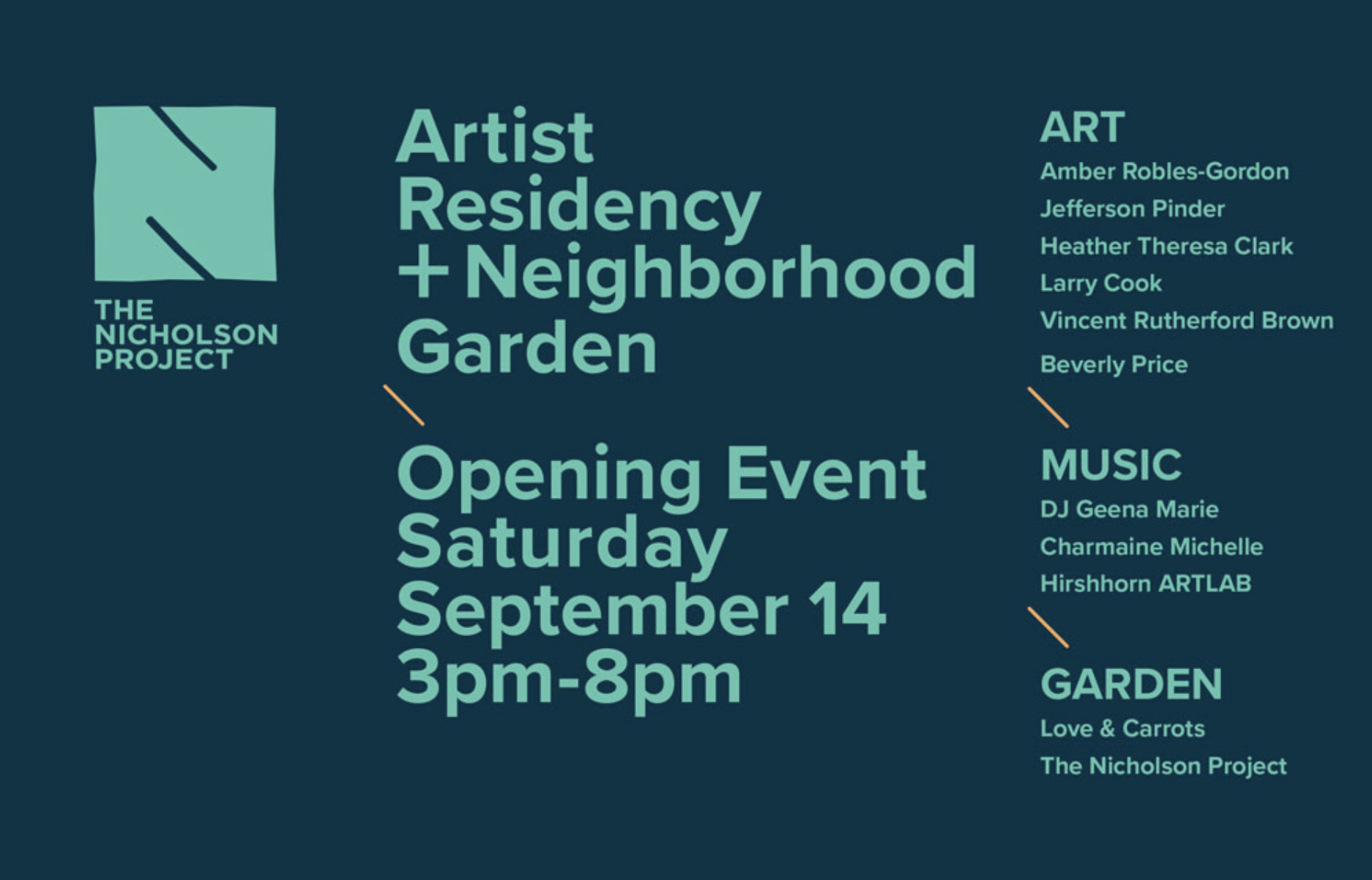
The Nicholson Project Opening Event...Saturday September 14, 3 pm - 8 pm
in exhibit
Event Schedule:
3:00PM Party starts!
3:30-4:00PM Open Studio w. Amber Robles Gordon
4:00-4:30PM Talk: Community Gardens + Social Justice w. Love & Carrots
4:30-4:45 ARTLAB Performance
5:30-6:30PM Intros to Art w. Amber Robles Gordon, Jefferson Pinder, Heather Clark, Larry Cook and Vincent Brown
6:30-8:00PM Music by DJ Geena Marie, Charmaine Michelle
Gallery Hours: On view Sept 14-Oct 26, by appointment only. Contact info@nicholsonproject.org
Press Release: The Nicholson Project opens in Southeast D.C.
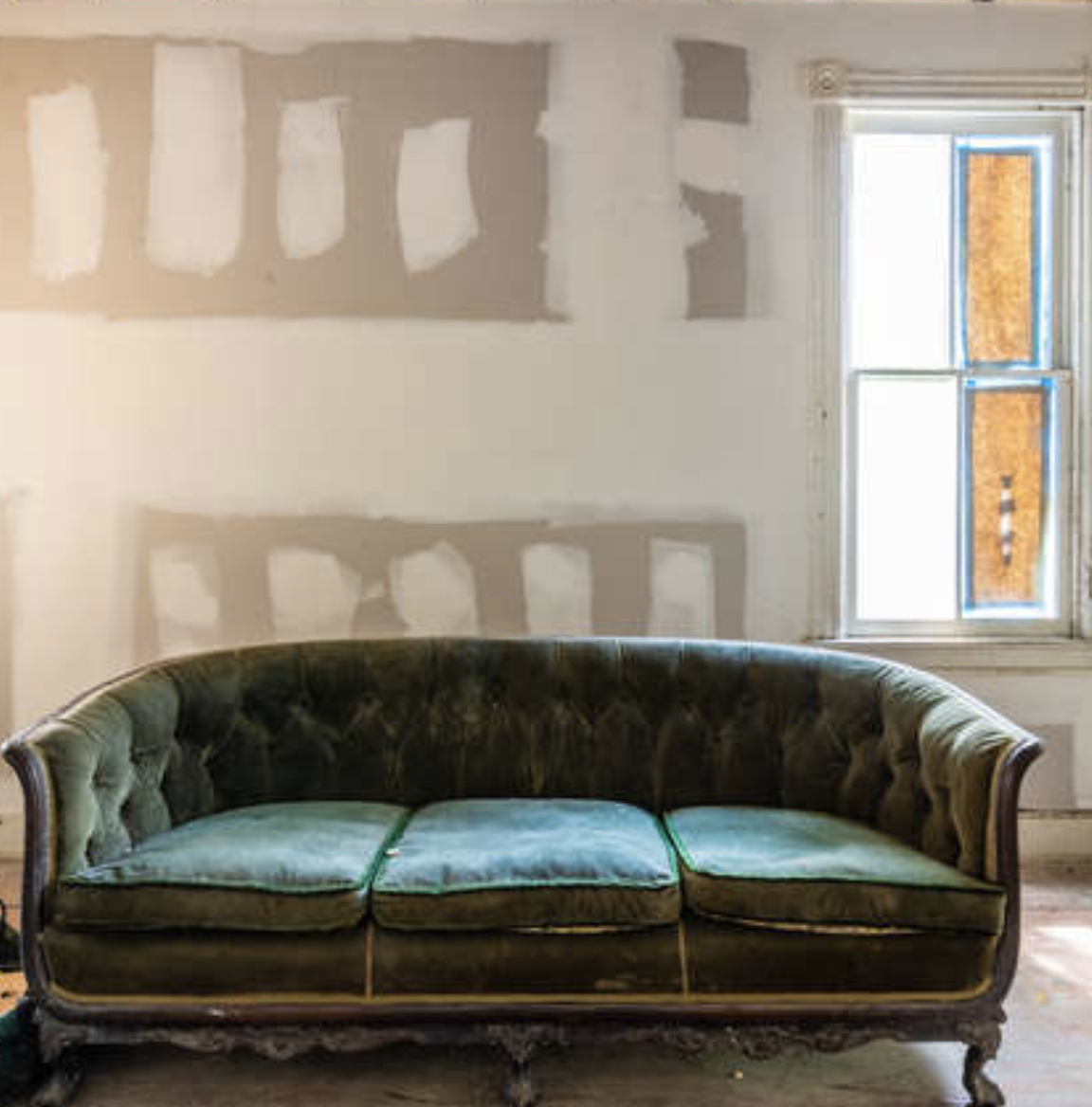
Ward 7, Washington D.C. - Today The Nicholson Project proudly announces its grand opening as an artist residency and neighborhood garden in Southeast D.C. In an effort to explore the positive roles art and design play in strengthening community, 2310 Nicholson Street, a former single family row house, has been restored as a safe, equitable residency for artists. The neighborhood garden was designed in partnership with Love & Carrots and aims to serve as a gathering place for the neighborhood, and provide fresh produce to local residents & businesses.
Read More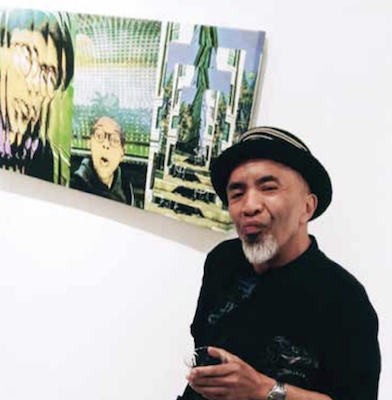
Honfleur Gallery Honors Late Artist with Group Show
in article
hen the late Michael Platt was alive, his house would be filled with artist friends, former and current students and the random mentee whom he would advise and encourage to take their creativity head-on.
His favorite directive? “Just do it!” So, some eight months after his sudden death in January, his wife and artistic collaborator Carole Beane decided that the imploring statement should be the title of the group show, made up of nearly 40 artists who were inspired, supported and motivated by Michael Platt.
Read More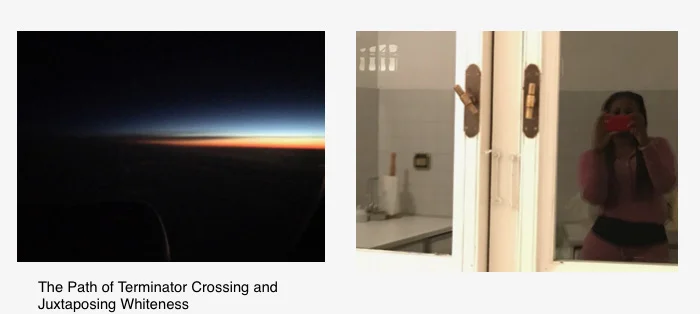
The Path of Terminator Crossing and Juxtaposing Whiteness
in exhibit
These two bodies of artwork are about claiming and occupying space. The exhibition features photography and large-scale painted collages. The large-scale collages and some of the photography reflect the phenomenon, known as the Terminator Crossing, “the line that divides the daylight side and the night-side of a planetary body”. In this work, the planet is the Earth…
Read MoreArt & Life with Mikhaile Solomon
in exhibit

Today we’d like to introduce you to Mikhaile Solomon.
Mikhaile, please kick things off for us by telling us about yourself and your journey so far.
I was born and raised in Miami, Florida and am of Caribbean heritage. My parents are the from the islands of St. Kitts – Nevis. I graduated of Florida International University’s Graduate program in Architecture and completed my undergraduate degree in Theatre Arts at the University of South Florida. With my varied professional experiences comes many years of developmental work in design, education, arts advocacy and community development.
The Studio Visit presents Amber Robles-Gordon

One of my favorite parts about working with The Studio Visit is the opportunity to get to know artists and learn more about their practice on a more personal, intimate level. I like to spend a little time before we begin a story to have a few one on one visits as well reading as much background information as possible.
Amber and I had this opportunity before we met at her studio on a warm overcast day to film a story about her life, work and process.
Amber Robles-Gordon is a multimedia visual artist with a joyful, positive, happy vibe. Her strikingly colorful work is a powerful fusion of ethnicity, identity, gender and cultural and social interests. Her childhood also informs her work which was filled with a wide range of challenges and the loving, nurturing support of her mother.
Read More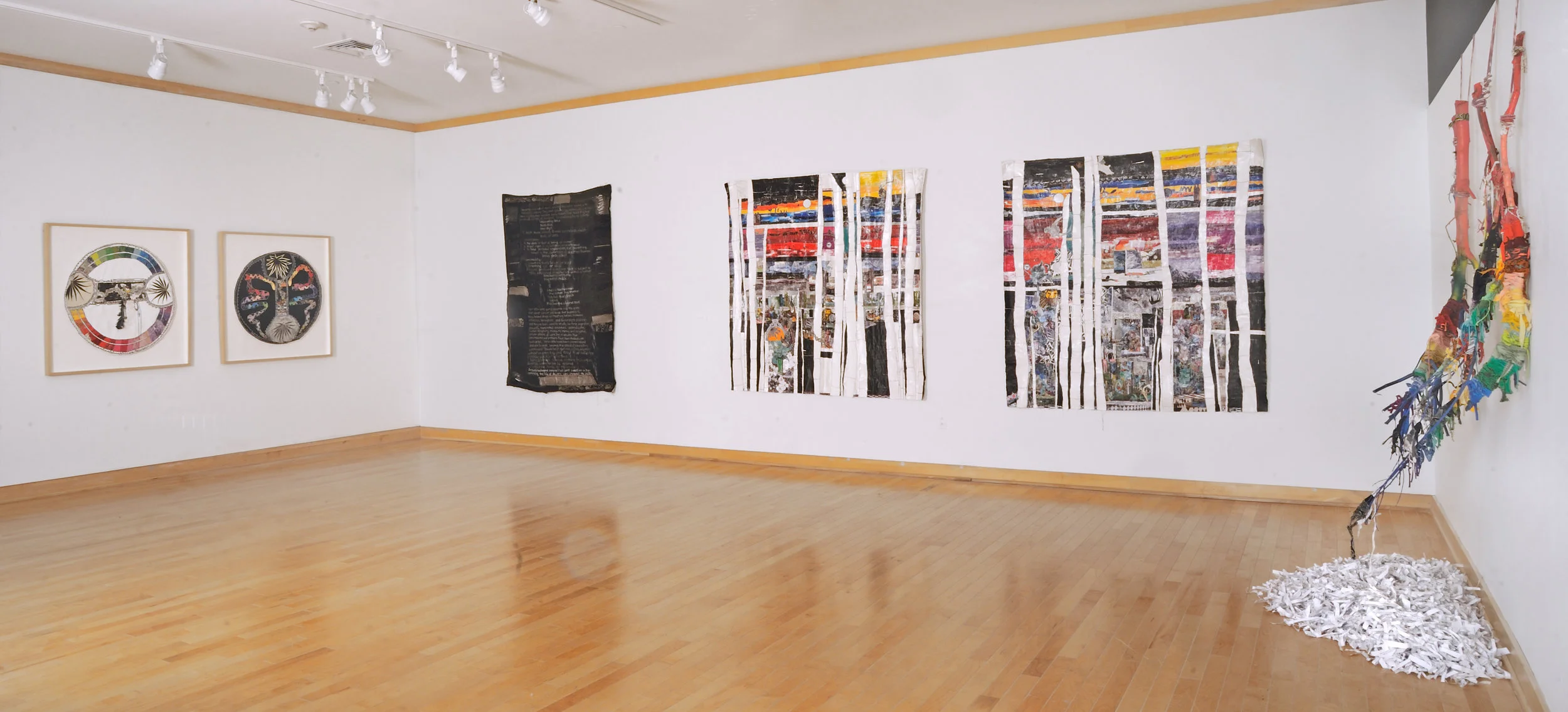
Solo exhibit featuring Amber Robles-Gordon opens at WC's Kohl Gallery
in exhibit
Material-isms: The Cultivation of Womanhood and Agency Through Materiality
CHESTERTOWN — The Kohl Gallery at Washington College kicks off the 2018-19 academic year with a solo exhibit "Material-isms: the cultivation of womanhood and agency through materiality," featuring Washington, D.C.-based mixed-media artist Amber Robles-Gordon.
The exhibit features assemblage and installation works created from a range of found objects and textiles.
Opening on Thursday, Sept. 6, with a public reception from 4:30 to 6:30 p.m., "Material-isms" will run through Oct. 10. Robles-Gordon will also deliver a public talk in the gallery at 3 p.m. Thursday, Sept. 13.
According to a news release, Robles-Gordon’s artistic practice draws upon the often-paradoxical experiences of her gender, ethnicity and social and cultural influences, including her Latino, African and Caribbean heritage.
The release states, what the artist calls “hybridism” is reflected in her varied material strategies and vibrant use of color, often invoking a spiritual and energetic sensibility.
“Materials intrigue me, but colors uplift and excite me,” Robles-Gordon said in a 2017 interview with Bmore Art Magazine.
"Material-isms" will highlight Robles-Gordon’s spirited use of a bold color palette in a series of mixed-media and installation works that conjure themes of femininity and masculinity, duality, spirituality and the natural and cultural environment.
Robles-Gordon earned her Masters in Fine Arts from Howard University and has more than 15 years of experience as a practicing artist, curator and arts educator.
Her work has been reviewed or featured in The Washington Post, Washington City Paper, Hyperallergic, Huffington Post, ebony.com, The Miami Herald, Bmore Art Magazine, Support Black Art and Callaloo: Art and Culture in the African Diaspora, among other publications.
Robles-Gordon’s work has been exhibited throughout the U.S. and in Germany, Italy, Malaysia, London and Spain. She has created temporary and public installations for the DC Commission on the Arts and Humanities, the Northern Virginia Fine Arts Association, Howard University, The Schomburg Center for Research in Black Culture, Washington Project for the Arts, Salisbury University and Martha’s Table.
In 2012, Robles-Gordon was selected for Under the Influence, in association with the Corcoran Gallery of Art’s 30 Americans exhibit. As an arts advocate, Robles-Gordon has served the Washington, D.C. regional arts community as an active member of Black Artists DC, serving as exhibitions coordinator, vice president, and president. She is also the co-founder of Delusions of Grandeur Artist Collective.
Kohl Gallery is located on the first floor of the Gibson Center for the Arts at Washington College in Chestertown, Maryland. The gallery is open Wednesday through Friday 1:30 to 5:30 p.m.; Saturday and Sunday noon to 4 p.m. For more information, email: kohl_gallery@washcoll.edu.
Third Eye Open Solo Exhibition Catalog Statement by Kimberli Gant, PhD
in article
“…an Earth alive in my consciousness as a living crystal being whose etheric geometric skeleton could be mapped in its patterns of energy flows…in ocean currents, the winds, river systems, and distributions of precious minerals. It seemed to me that ancient humans had known this sacred, hidden body of Earth and had settled on it in ways that took advantage of very visceral powers of place.”
-Bethe Hagens
The Divine Feminine in Geometric Consciousness (2010)
Hagen’s quote suggests that one can map the Earth not just through national borders, but through the power of the natural environment and the sacred energy that flows through those spaces. To her geometry is not simply a tool for measuring distances or volumes of space, but a way to consider invisible sacred energies helping keep the Earth functioning as it should. Each aspect of the environment works together creating a harmonious system. Hagen’s quote also hints at the legacy of geometric symbols moving beyond practical units, into sacred objects representing notions of infiniteness, and the unity of male and female. Moreover, depictions of spheres, circles, triangles, and their three-dimensional counterparts have used in rituals by numerous cultures spanning the world from ancient times into the present day…
Read More